Cognitive Load Theory
Cognitive Load Theory is based on a simple idea: our brains can only handle so much new information at once.
Think of it like a small desk (our working memory). If you put too many new things on it, it gets overloaded and nothing gets done. But, our brains have a huge 'filing cabinet' (our long-term memory) that can process tons of stored information easily.
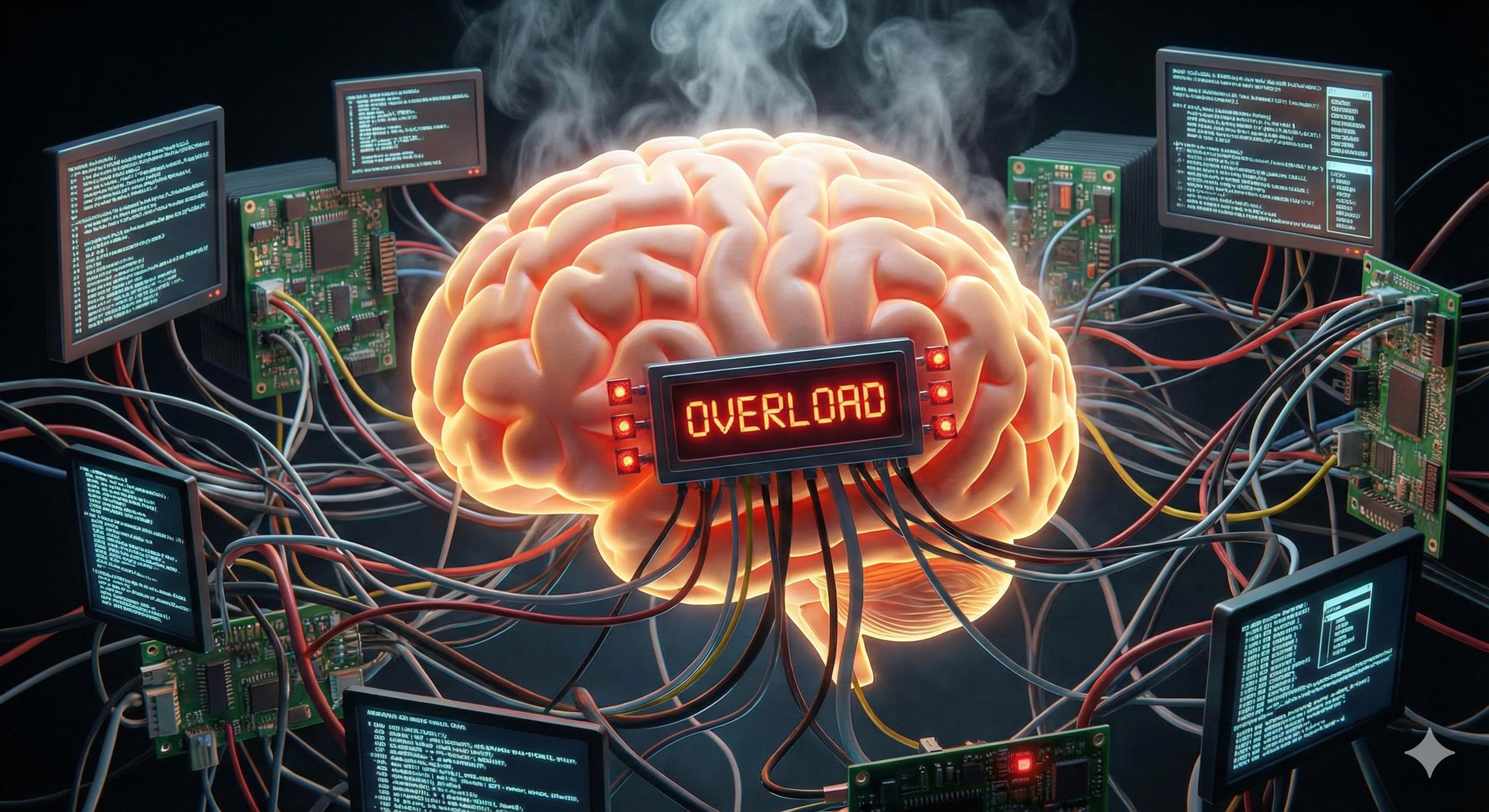
The problem for young learners is that their "desk" is extremely limited. To learn something new, a child must actively hold that information on their desk while trying to make sense of it. If they are bombarded with too much new information at once, or if they are distracted by irrelevant details, they experience cognitive overload .
When overload happens, learning stops. The information falls off the desk before it ever gets filed away safely in the cabinet. We’ve all been there, right?!
It is important to remember that school-aged children are novices. Unlike adults who have a full filing cabinet to draw from, children encounter most information as brand new. Research shows that novice brains process information differently than expert brains. Because they are still building their understanding, their "desks" fill up much faster, meaning they need structured guidance to prevent that overwhelm.
How do we do justice to the cognitive load theory at Brisbane Tuition?
We design our lessons to respect the "small desk" limit. We don't just teach content; we manage the cognitive load to ensure learning actually sticks. Here is how we do it:
We have predictable routines: every time a child has to ask, "Where do I put this?" or "What do we do next?", they are using up valuable working memory. To prevent this, we maintain a consistent environment where we have a similar learning routine and resources appear in the same place every time. We ensure your child doesn't waste mental energy on logistics and can focus entirely on the learning content
We break it down: we don't present complex tasks all at once. We break learning into small, manageable parts to ensure your child’s working memory is never overwhelmed.
We build automaticity: our ultimate goal is to move knowledge from the desk to the cabinet. Once a skill (like knowing that 2+2=4 or recognising the sound 'ch') is stored in long-term memory, it can be retrieved instantly without taking up any space in our working memory. This frees up brain power for deeper thinking and problem-solving.
By teaching this way, we help your child transition from struggling with a cluttered desk to confidently accessing their own mental filing cabinet. We prevent the overload, so the learning can happen.